At More Than Diet, we believe that true wellness is dependent upon many factors with diet being foundational. As promised in our previous blog, I will be sharing 8 health tips that can help individuals optimize their immune systems to fight Covid-19 and other diseases.
In this edition, we will cover how diet can be used to strengthen the immune system.
Many people across the country and the world are feeling vulnerable as chronic health conditions such as obesity, diabetes and cardiovascular disease suffer fatal outcomes with Covid-19. Several within the medical community have for several years now, recommended a plant-based diet as a method to reducing these risks.
By consuming a diet consisting of whole, plant-based foods (vegetables, fruits, whole grain cereals, legumes and nuts) one can increase their immunity and avoid the worst effects from the infection.
How Your Immune System Works to Fight Viruses
It almost seems elementary to believe that something as simple as diet can make such a huge impact on our immunity to viruses and other diseases however the science is clear and somewhat simple.
Diets centered around whole plant foods have been shown to stimulate natural killer cell activity which is part of our innate immune response. This basically allows our immune system to hone in on pathogens, including viruses responsible for common respiratory infections.[1]
Immune System Booster Foods
The following are some plant-based foods that specific properties that make them top choices for strengthening the immune system:
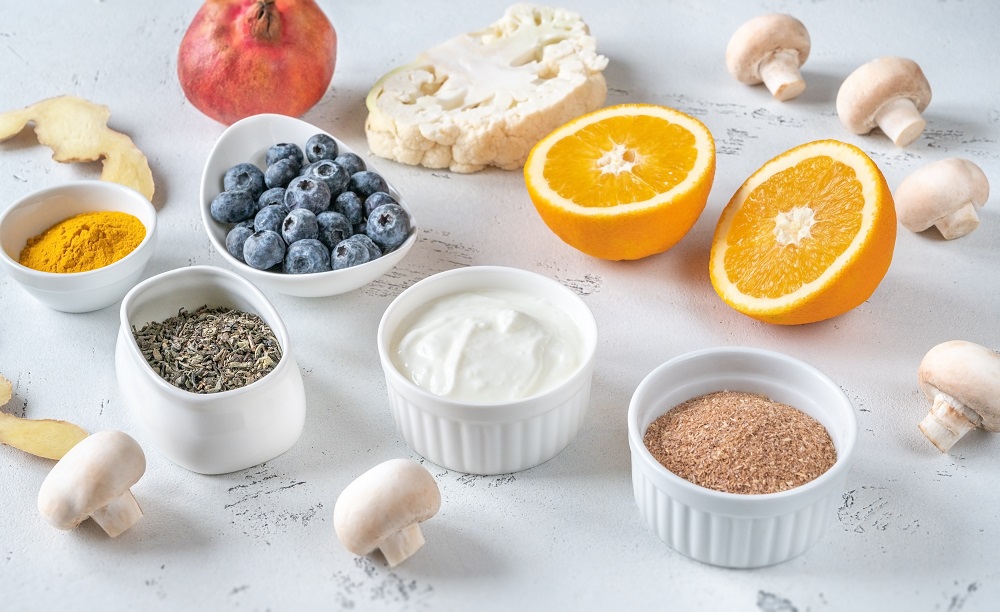
- Mushrooms, particularly medicinal varieties like chaga. These contain antioxidants and polysaccharides to regulate immunity and reduce inflammation.
- Fruits and vegetables: More color more power! Vibrant colors signal the presence of antioxidant and anti-inflammatory phytochemicals like carotenes, polyphenols, flavonoids and anthocyanidins.
- Bitter greens like dandelion and arugula promote liver health to support robust natural killer cell production and proper T cell function.[2][3]
- Whole grains and legumes: These are great sources of fiber which is critical for a healthy gut. Since the gut is a major center of immune activity, it’s important to keep it balanced! They are also great sources of B vitamins and zinc which provided added immune support.
- Flax seeds are a great source of anti-inflammatory omega-3 fatty acids. Plus, adding healthy fats to meals aids in the absorption of fat-soluble vitamins like A, D and E, which are crucial for immune health.[4]
- Vitamins and Minerals such as vitamin C, magnesium, zinc and selenium are also important for stronger immunity. Below I breakdown some major players and foods that contain them:
- Selenium, Zinc and Magnesium: Antioxidant vegetables such as dark leafy greens like kale, and collards along with cruciferous vegetables such as broccoli, enhance immunity. Additionally, foods such as pumpkin seeds, and brazil nuts provide great sources of selenium and zinc which not only help protect the cell against excessive damage, but are also antiviral and critical to prevent replication of viruses.
- Vitamin C: Antioxidant fruits: Berries, plums, and oranges will provide rich sources of this nutrient
- Quercetin- A bioflavonoid that can be found in the skin of grapes aka Resveratrol. An excellent companion to zinc, as it helps the zinc get inside of the virus cell to prevent the replication
Foods That Weaken the Immune System
Now that we have looked at foods that can optimize the immune system, it is also worth highlighting a few food items that you may want to avoid as they can hinder immune function:
- Fried foods: These foods promote inflammation, which dampens overall immune response.
- Highly processed foods, including refined grains and sugars: These foods deplete nutrients, and prevent proper immune function.
- Meat: This may be a source of food-borne pathogens — including viruses — and toxic chemicals, both of which can interfere with your immune system. Many animal products have also been shown to increase inflammation.[5][6]
In addition to impairing immunity, these foods also have a negative effect on gut health, which can have serious consequences for all body systems. The combination of pro-inflammatory compounds and low fiber content imbalances the bacteria in the gut, leading to a weakened gut wall and increasing the risk for chronic inflammation. Plant foods, on the other hand, promote beneficial gut bacteria and are generally anti-inflammatory.
In conclusion, by focusing on more whole, plant-based foods, this is one powerful step you can take today to give your body the tools it needs to fight off viruses.
Remember, as we mentioned before while diet is important, it is not enough in and of itself provide wellness. In our next blogs we will be cover the rest of the health pillars necessary to have optimal immune function so make sure you stay tuned!